Blog · Christina Bachini
Why does it often take a crisis?
And what are your clients waiting for?
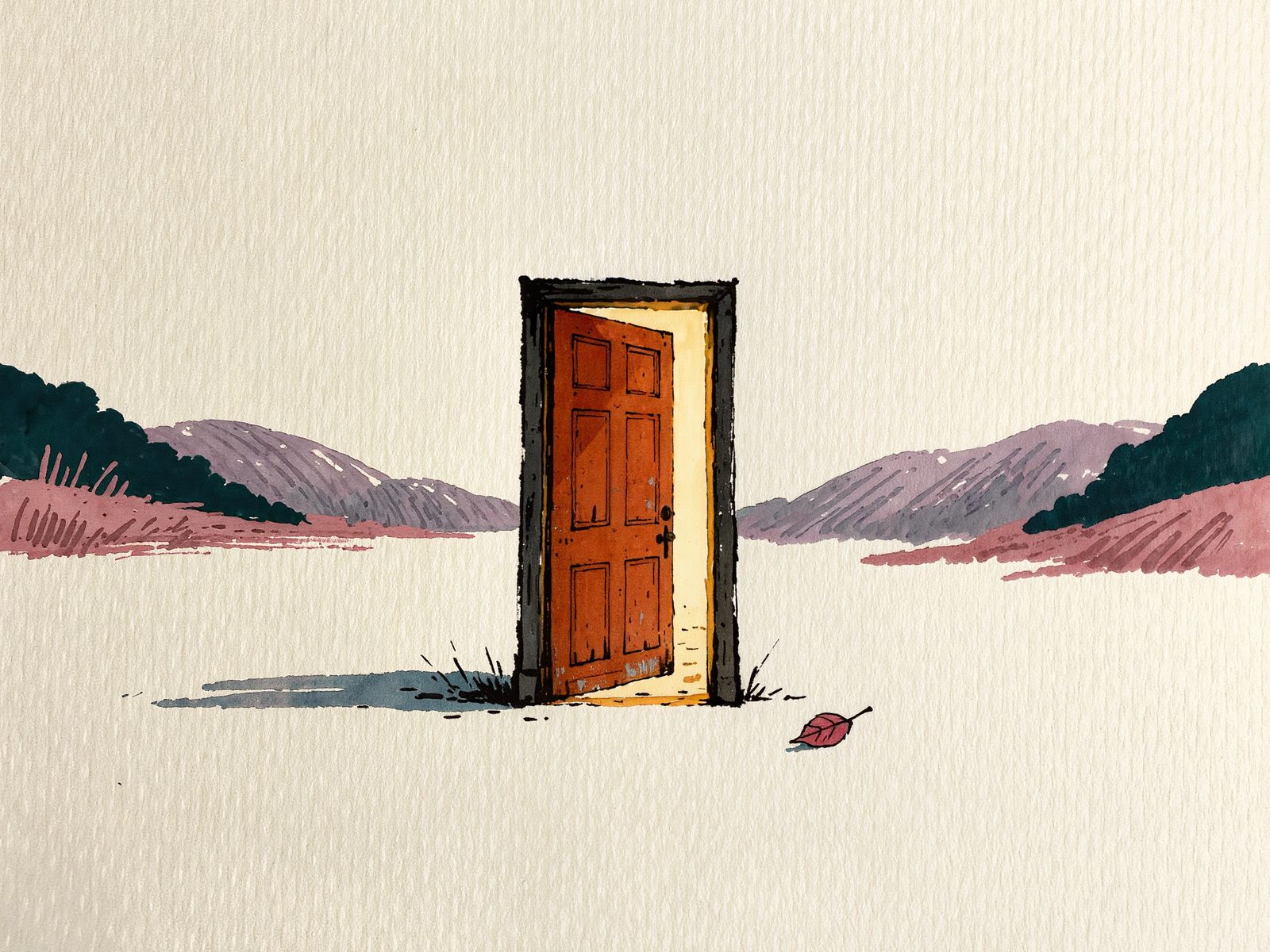
How long are your clients prepared to coast through a life that looks successful from the outside but feels unfulfilled on the inside? And how often do they arrive with you only when something has forced the question?
When I started work in the 1960s, nobody talked about enjoying your work. You worked because you had to earn money, because that was what grown-ups did. When I eventually came to London I worked for a temporary agency, and discovered something that changed my thinking. If I arrived at a job at 9am and realised it wasn’t for me, I could go back to the agency at lunchtime and be in another job by 2pm, without losing a penny of pay.
Perhaps work didn’t have to be something I simply endured. Perhaps I had choices.
Over the years I moved from job to job, qualification to qualification, until I trained as a psychologist and became fascinated by group dynamics. I found work I loved, and I still do. But one thing has struck me repeatedly over the years: so many of the people we work with don’t feel the same way.
“Comfortable” is a dangerous word
Clients come to us deeply dissatisfied with their roles. Some struggle with authority. Some are caught in difficult relationships with colleagues. Some are trapped in patterns that make work feel like a daily battle. Others are simply bored.
And some realise something even more uncomfortable: they have become successful at something they don’t really care about. Perhaps their path was chosen by someone else, or they followed the family brand. Perhaps it looked like success rather than feeling like theirs. And it provided a comfortable living.
There is nothing wrong with wanting to be comfortably off and financially secure. But somewhere along the way the comfortable salary makes it difficult to leave. Security can quietly become a cage. The status of a job title makes changing direction frightening, and other people’s expectations grow louder than the voice inside. They’re no longer choosing their life. They’re protecting it.
Why does it often take a crisis?
So often, people make a significant change only when circumstances force them to. Redundancy. Bereavement. A health scare. A relationship ending. Burnout. A business failing. The children leaving home.
A crisis doesn’t just disrupt their circumstances. It disrupts the story they’ve been telling themselves about their life. And I’ve noticed that people respond to that disruption in three different ways. It helps to know which one is sitting in front of you.
The rebuilders want their old life back. How do I get back to where I was? Sometimes rebuilding is exactly what we need to do. But there is a trap: what if the life they’re trying to get back to was one they had already outgrown?
The protectors take the crisis as proof of what they already suspected: life is dangerous. Stay in the job. Keep the salary. Don’t rock the boat. They call it being sensible, and sometimes it is. But sometimes “sensible” is simply another word for afraid. Fear can be remarkably good at dressing itself up as responsibility.
The explorers ask a different question: “What might this make possible?” Not because they wanted the crisis, and not because change has suddenly become easy, but because something has become impossible to ignore. They stop asking how to get back to where they were, and start asking where they want to go now.
Seeing the story
This is where working with imagery earns its place. A client can talk about their crisis for hours and keep telling the same story. Ask them to show you instead, and the story they’ve been protecting is there in front of them, where they can see it from a distance, perhaps for the first time.
We don’t need to wait for a crisis, and neither do our clients. Most of life’s changes aren’t as simple as walking back into a temp agency. There may be mortgages, families, responsibilities, fear and uncertainty. But perhaps nobody has to wait for the crisis before asking the question it eventually forces on us:
If I didn’t have to live the life I already have, what might I choose instead?
Sometimes the door closing isn’t the tragedy. The tragedy is spending the next ten years trying to force it open.
If you’d like to help your clients find the door they haven’t noticed yet, start wherever suits you on our learning pathway.